
Understanding the Bill Cosby Civil Verdict: Justice, Accountability, and a Fractured Legacy
- orpmarketing
- Mar 24
- 3 min read

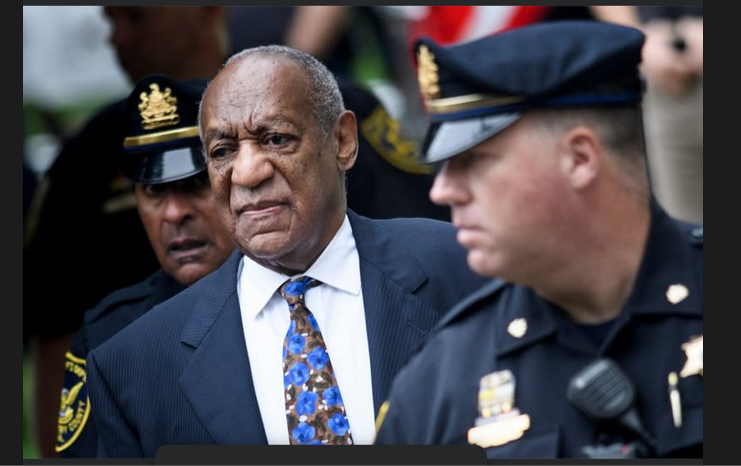
This verdict is a powerful moment that re-examines questions of justice, the durability of accountability, and the complexities surrounding a public figure who once stood as a cultural monolith. For legal professionals, social advocates, and the global Black community, this moment requires careful consideration and an understanding of the mechanisms at play.
Verifying the Facts
It is crucial to first confirm the veracity of the reporting. On Monday, March 23, 2026, a civil jury found Bill Cosby (currently 88 years old) liable for the 1972 drugging and sexual assault of Donna Motsinger, a former waitress.
The jury awarded a total of $59.25 million, comprised of:
$19.25 million in compensatory damages (intended to cover the victim's losses).
$40 million in punitive damages (intended to punish the defendant).
Cosby’s legal team has expressed their intent to appeal the verdict.
Understanding the Law: How This Case Occurred
For those who recall Cosby’s release from prison in 2021, this verdict might seem confusing. It is essential to distinguish between criminal and civil proceedings.
Cosby's 2021 release by the Pennsylvania Supreme Court was based on a fundamental procedural error involving his Fifth Amendment rights, not an exoneration of his actions. This latest verdict is a civil finding of liability, meaning the standard of proof was a "preponderance of the evidence" (that it is "more likely than not" the events occurred), not "beyond a reasonable doubt" as required in a criminal case.
Furthermore, people might question how a 1972 assault could be tried today. This case was made possible by progressive California legislation (specifically, laws like the Sexual Abuse Cover-Up Accountability Act). These laws created a "look-back window," temporarily suspending the statute of limitations to allow survivors of older sexual abuse cases to seek justice through the civil court system.
The $40 million in punitive damages reinforces the legal system’s function of deterrence—using financial consequences not just for restitution, but as a severe penalty for conduct that violates societal norms.
Impact on Youth and Celebrities
This civil verdict sends a clear and unambiguous signal to current and future generations of celebrities and powerful figures.
The Endurance of Accountability
Your past is not buried. As statutes of limitations evolve, the legal landscape is shifting toward accountability for past conduct. The "Dad" persona that Cosby projected for decades did not provide immunity for private behavior. The lesson is that a public brand must be built on a foundation of integrity, or it remains vulnerable.
The Power Play is Over
The modern era, amplified by movements like #MeToo, has dismantled the traditional "power dynamics" that once shielded powerful individuals. The legal system increasingly recognizes that power does not equal consent. Youth looking to enter these industries must understand that the "casting couch" or exploitative behavior is not a barrier to entry they should accept, nor is it a privilege they should expect.
Meaning for the Global Black Community
The "Cosby saga" has been a deeply polarized and painful issue for the Black community globally, forcing a reckoning with complexity that has no easy resolution.
The Loss of a Pioneer
To understand the pain, one must understand what Cosby represented. He was a trailblazer—from I Spy to the groundbreaking Cosby Show. He was a symbol of Black upward mobility, success, and sophisticated representation on a global stage. His fall forces many to wrestle with the tarnishing of a pivotal historical figure.
Navigating Hypocrisy and Loyalty
The community remains divided. There is a legitimate discussion about whether Black cultural icons are scrutinized and prosecuted with a severity not always applied to their white counterparts in similar circumstances.
However, this must be balanced against the necessity of holding individuals accountable for harm done to victims. This verdict is a painful reminder that even icons are fallible and that the protection of community symbols should not supersede the pursuit of justice, particularly when many of the accusers are women of color themselves.
Moving Forward
The Bill Cosby civil verdict is a powerful affirmation that justice—even if deferred—is not denied. It demonstrates the utility of civil courts in providing accountability when criminal proceedings have been exhausted or barred.
As society continues to navigate these cases, the primary lesson is clear: no amount of power, influence, or historical significance should ever be viewed as a license to inflict harm. The path forward requires holding two conflicting realities: acknowledging Cosby's significant cultural contributions while simultaneously supporting the rights of survivors to seek justice for their trauma.


Comments